IMAGE-GUIDED BIOPSY & FNAC IN BENGALURU
Need a Biopsy? Get Accurate Diagnosis With Image-Guided Precision.
Minimally Invasive Biopsy & FNAC Procedures Under Imaging Guidance
Have you been advised to undergo a biopsy after an ultrasound, CT scan or MRI? Are you concerned about an unexplained lump, swelling or suspicious lesion? Image-guided biopsies and Fine Needle Aspiration Cytology (FNAC) help doctors collect tissue or cell samples from targeted areas for laboratory examination. Consult Dr. Monish V, Vascular Surgeon and Interventional Radiologist, to understand the appropriate diagnostic procedure for your condition.
Ultrasound-guided and CT-guided biopsy procedures
Targeted tissue and cell sampling
Minimally invasive, needle-based techniques
Personalized evaluation and procedure planning
Symptoms & Conditions
Have You Been Advised to Get a Biopsy?
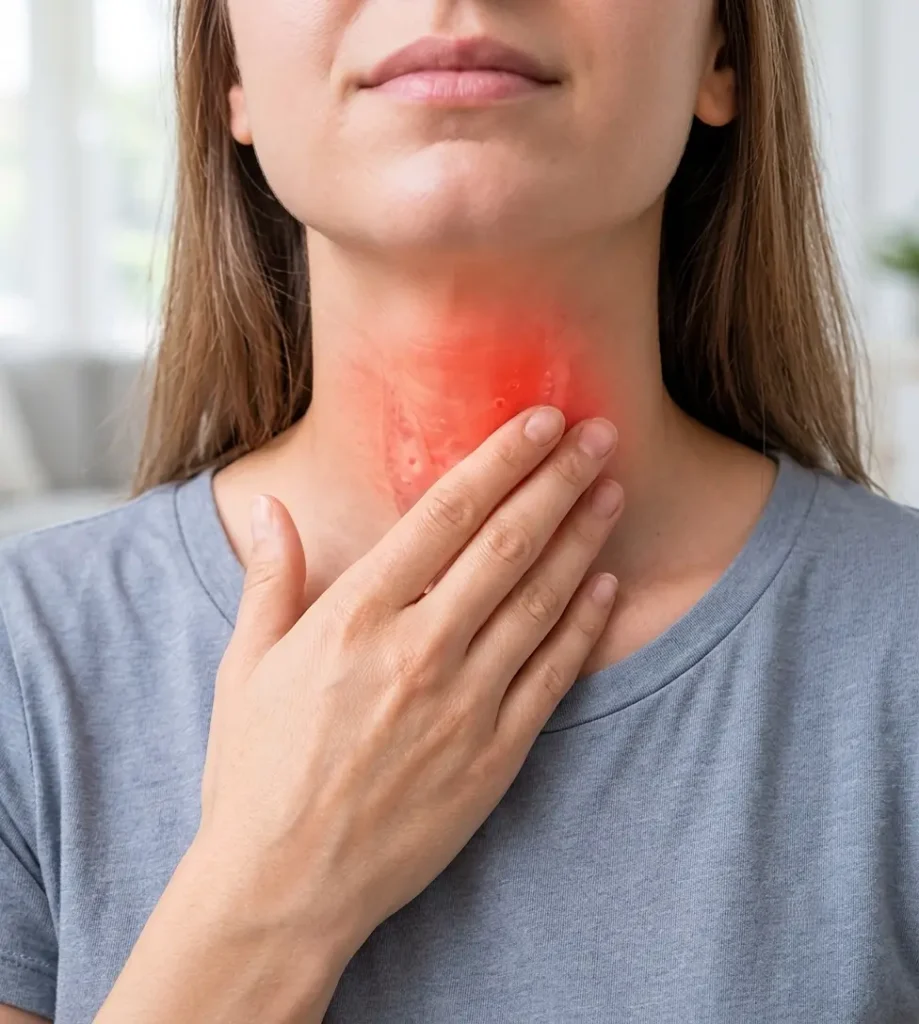
A biopsy or FNAC may be recommended when an examination or imaging scan identifies an abnormal lump, swelling or suspicious area that needs further investigation.
Common situations where biopsy or FNAC may be recommended include:
- Unexplained lumps or swellings
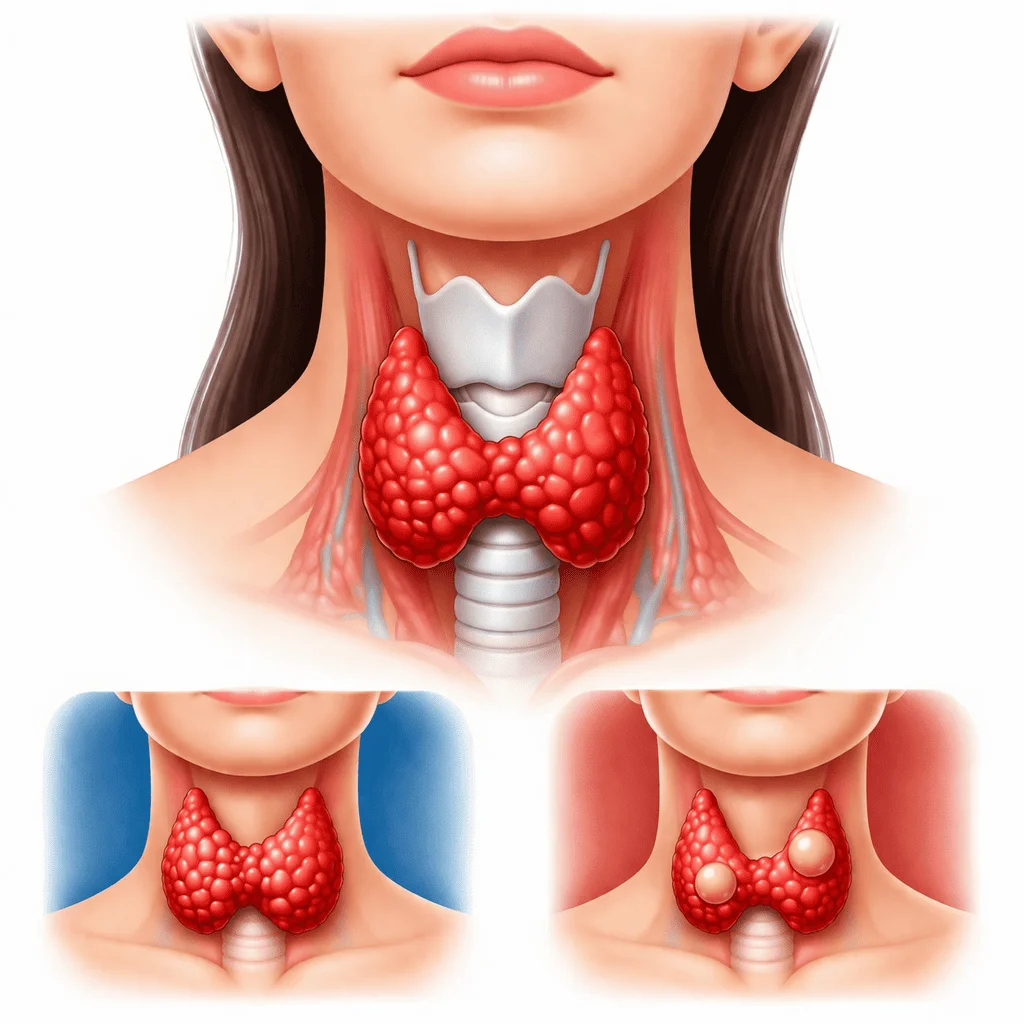
- Thyroid nodules
- Breast lumps
- Enlarged lymph nodes
- Liver lesions or masses
- Lung nodules or lesions
- Abdominal masses
- Soft tissue lumps
Understanding Image-Guided Biopsy Procedures
What Are Image-Guided Biopsies?
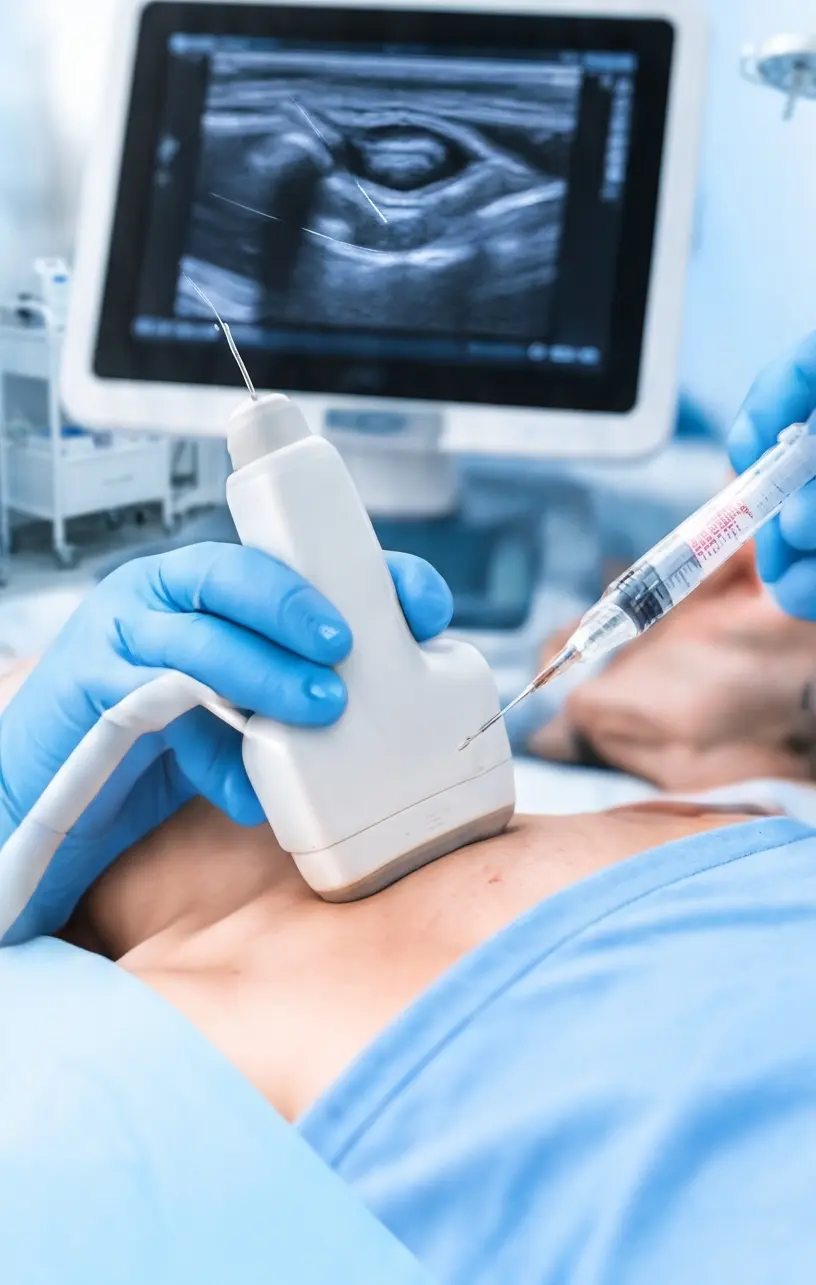
An image-guided biopsy is a minimally invasive diagnostic procedure in which a doctor uses imaging technology, such as ultrasound or CT, to guide a needle towards a specific area of concern.
Instead of relying only on physical examination, imaging helps the doctor identify the target and guide the needle to the intended location.
A small tissue sample is collected and sent to a pathology laboratory for examination.
Why Is Imaging Guidance Used?
- Helps identify the exact location of the lesion.
- Allows targeted sampling of deeper or difficult-to-reach areas.
- Helps the doctor monitor needle placement during the procedure.
- Can reduce the need for a conventional surgical approach to obtain a diagnostic sample.
- Supports accurate targeting of the area selected for sampling.
Types of Image-Guided Biopsy & FNAC
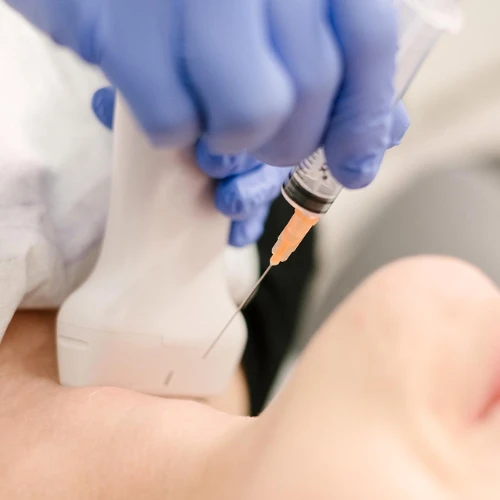
Ultrasound-Guided FNAC
A thin needle is guided using ultrasound to collect cells or fluid from a lump or lesion, commonly used for thyroid nodules, lymph nodes and selected breast lesions.

Ultrasound-Guided Core Needle Biopsy
A specialized biopsy needle collects small cylindrical tissue samples for detailed pathological examination.
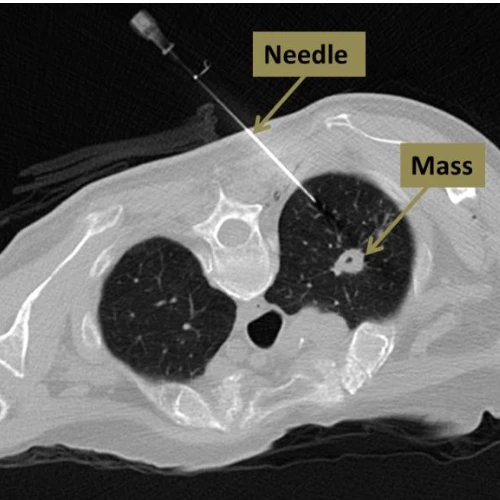
CT-Guided Biopsy
CT imaging helps guide a biopsy needle towards selected deep-seated lesions, including certain lung, abdominal and pelvic abnormalities.
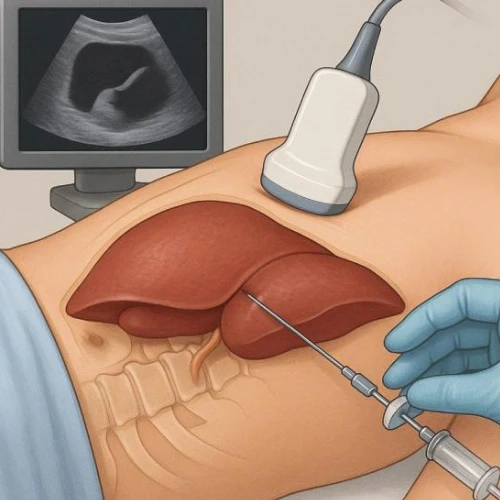
Image-Guided Organ Biopsy
Targeted sampling of selected lesions in organs such as the liver, kidney and other accessible structures, depending on clinical suitability.
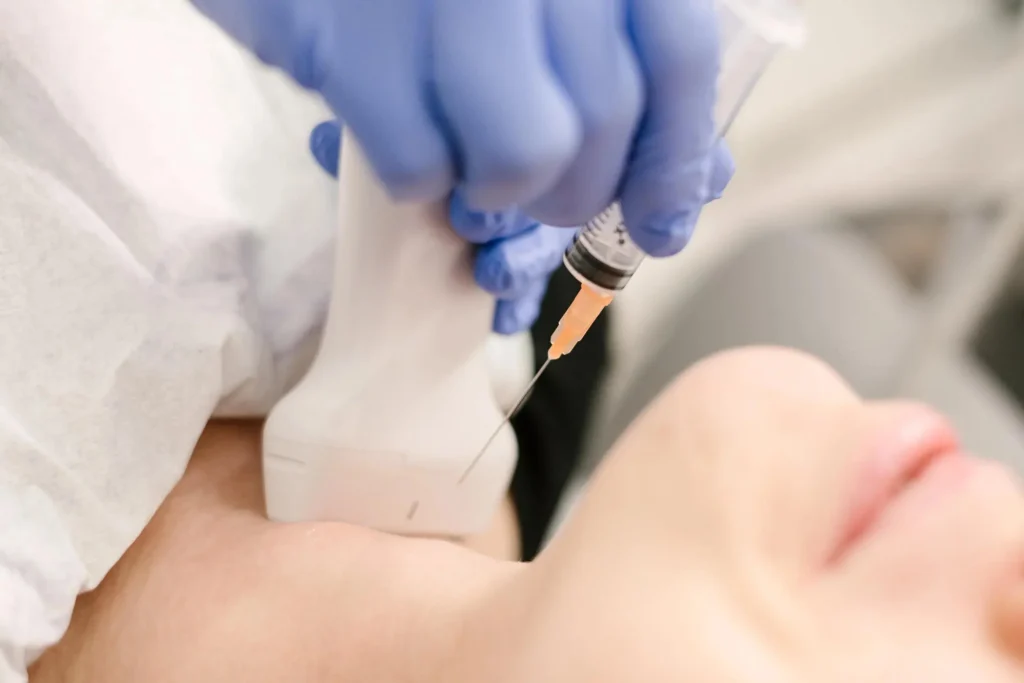
Image-Guided Biopsy: Targeted Sampling With Minimally Invasive Techniques
Image-guided biopsy procedures allow doctors to collect samples from selected areas using real-time or cross-sectional imaging.
Potential Advantages
- Targeted Sampling
- Minimally Invasive
- Reduced Tissue Disruption
- Real-Time Guidance
- Faster Recovery
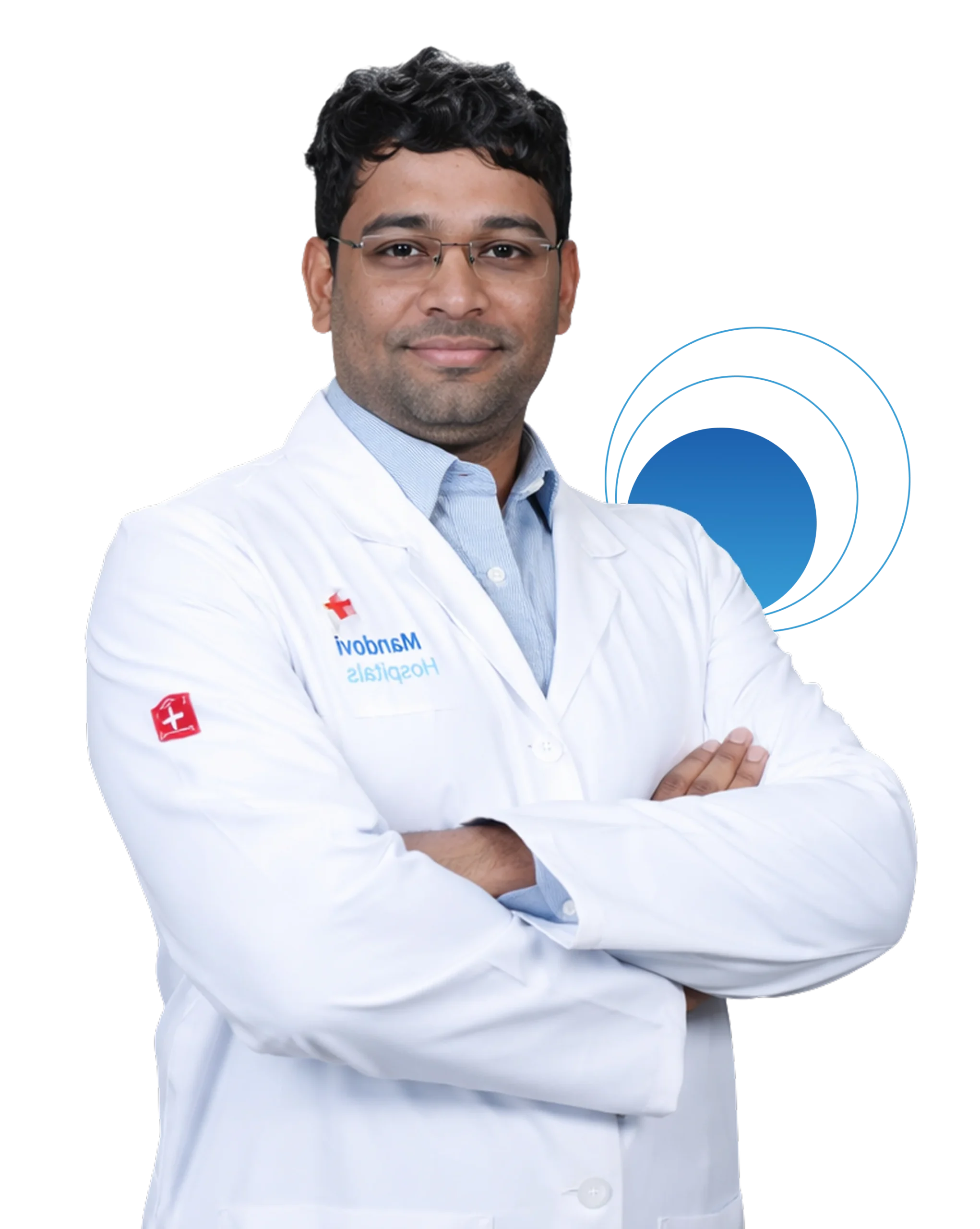
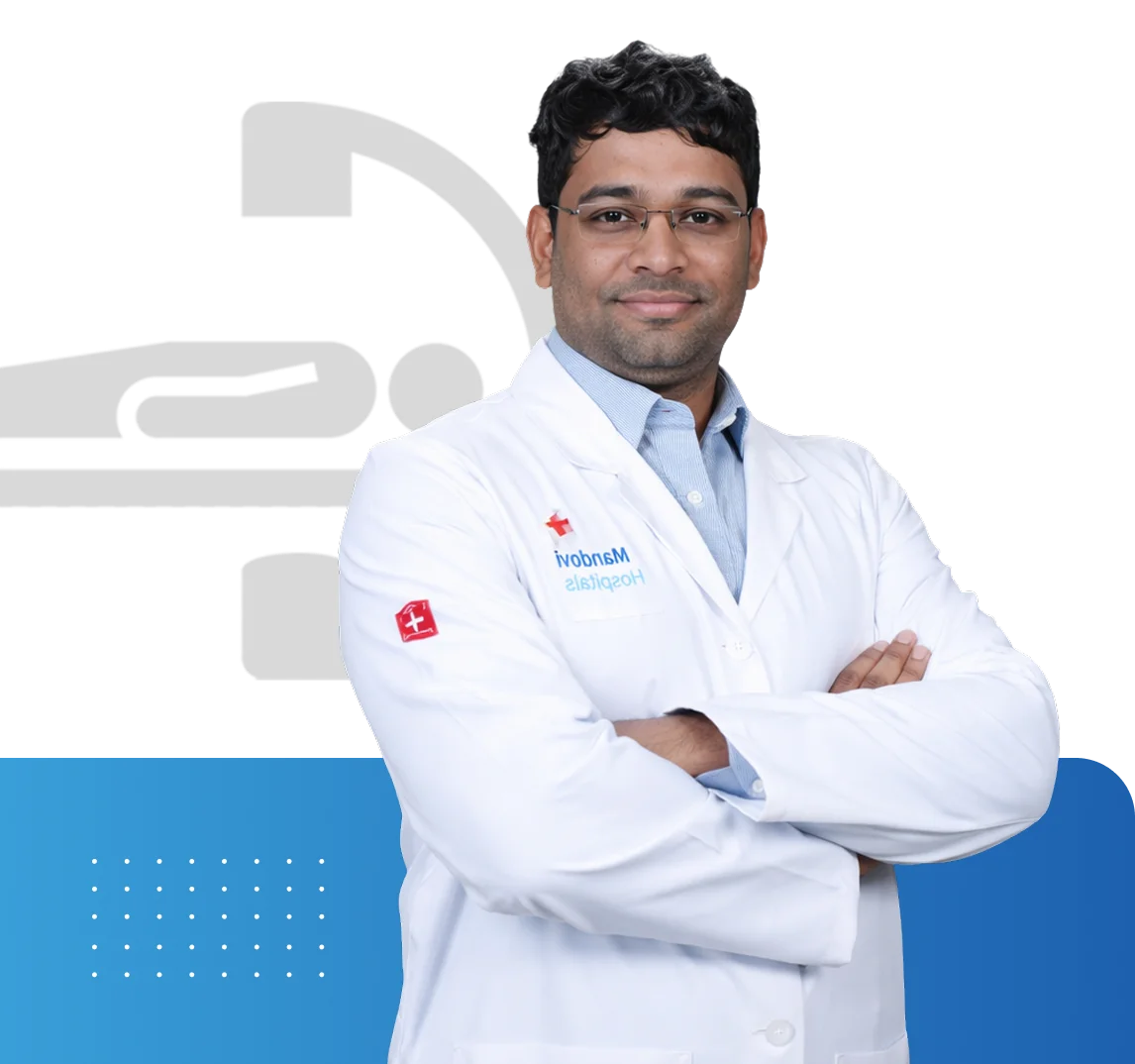
Meet Dr. Monish V
An Vascular Interventional Radiologist at Yelahanka, Bengaluru
Dr. Monish V is a Vascular Specialist at Manipal Hospital Yelahanka and Venuva Vascular Centre, Malleshwaram, with over a decade of experience in minimally invasive, image-guided treatments. He helps patients avoid major surgery by offering non-surgical and catheter-based solutions wherever appropriate. Patients seeking Laser Treatment for Varicose Veins in Bangalore can consult him to understand advanced treatment options based on their condition.
His clinical focus includes conditions such as varicose veins, varicocele, uterine fibroids, thyroid nodules, enlarged prostate, blocked leg arteries, and selected cases of deep vein thrombosis. For women exploring Fibroid Treatment Without Surgery in Bangalore, he provides guidance on minimally invasive options such as uterine fibroid embolization, depending on their medical condition. Many procedures are performed as day-care treatments, offering faster recovery and minimal discomfort.
Dr. Monish has been published in reputed national and international journals and has presented his work at leading interventional radiology conferences. He is actively involved in advancing evidence-based, minimally invasive care.
- His philosophy is simple.
- Explain options clearly.
- Choose the safest effective treatment.
- Recommend surgery only when it is truly necessary.
What Patients Say

 Vasanth Sagar
Trustindex verifies that the original source of the review is Google.
Good response from the staff. Cafeteria needs to have more options Sandhya AnilAll the staffs were humble and friendly. Even service was good.
 SHARWAN VHealth checkup department yelahanka staffs are helpful and doing great service
 ravichandta raviManipal hospital Yelahanka i had health checkup today evening good and done well... service was good 👍 i recommend
 Ankur PrashantI visited Manipal hospital Yelahanka today and I met Dr Ashok Kumar from ortho and was assisted by Chaya and Tanushree and Sanika and the experience was really good. He explained the treatment very well and it was really informative
 Saibanna BiradarManipal hospital Yelahanka - I had very great experience, I had come for my petct scan the Dr Reddy, Madam Kavitha Ms Martina Sister Soundini treated me so well that I did not felt that I came for any scan family atmosphere they created.. Thank you to all Nuclear medicine team for the support ..
 Ramanatha RaoThis is V. Gayathri. I visited Manipal Hospital, Yelhanka, today. The building is very spacious and clean. I consulted the orthopedic, Dr. Sridhar Singh; he was very friendly and cooperative. I had to get two x-rays done, and the staff there were very good and courteous. The staff in the orthopedic wing was quite helpful and compassionate; I was deeply touched. Overall, the hospital visit was very good. Service at the cafeteria on the ground floor was nice, but it is too small for a hospital of that size. Though there is one on the 5th floor, the patients on the ground floor need a bigger cafeteria. Maybe another cafeteria can be opened on the ground floor. Thanks.
How Does an Image-Guided Biopsy Work?
01. Consultation & Report Review : Your previous scans, medical history, medications and biopsy requirement are reviewed.
02. Imaging & Procedure Planning : Ultrasound or CT imaging is used to locate the target and determine the safest suitable approach.
03. Image-Guided Sampling : A needle is carefully guided towards the target area to collect cells, fluid or tissue samples.
04. Laboratory Analysis & Follow-Up : Samples are sent for pathological examination. Your doctor discusses the report and appropriate next steps.
IWhen Should You Consult an Interventional Radiologist?
A consultation may be helpful if you:
- Have been advised to undergo FNAC or a biopsy.
- Have an unexplained lump or swelling.
- Have an abnormal finding on ultrasound, CT or MRI.
- Need sampling of a thyroid nodule or enlarged lymph node.
- Have a suspicious liver, lung or abdominal lesion.
- Have previously undergone a biopsy that did not provide sufficient diagnostic information.
CONSULT IN PERSON
Two clinics across North & Central Bengaluru.
Manipal Hospital, Yelahanka — North Bengaluru
Vascular & Interventional Radiology OPD, Yelahanka, Bengaluru, Karnataka
Venuva Vascular Centre — Central Bengaluru
Dedicated vein & vascular clinic, Malleshwaram, Bengaluru, Karnataka
frequently asked questions
What is an image-guided biopsy?
An image-guided biopsy is a minimally invasive procedure in which ultrasound or CT imaging helps a doctor guide a needle towards a specific abnormal area to collect a tissue sample for laboratory examination.
What is the difference between FNAC and biopsy?
FNAC uses a thin needle to collect cells or fluid for cytological examination. A core needle biopsy collects a small piece of tissue, allowing examination of its structure. The appropriate method depends on the suspected condition.
Is an image-guided biopsy painful?
Most procedures are performed using local anesthesia to reduce discomfort. Patients may feel pressure or mild discomfort during the procedure. The experience varies depending on the biopsy location and technique.
Is an image-guided biopsy safe?
These procedures are generally well established when performed with appropriate precautions. However, risks such as bleeding, infection and injury to nearby structures can occur. The risks depend on the biopsy site and individual health conditions.
How long does an image-guided biopsy take?
The duration varies depending on the location of the lesion, imaging method and sampling technique. Many procedures can be completed within a relatively short appointment, although preparation and observation may require additional time.
Do I need to stay in the hospital after a biopsy?
Many image-guided biopsies are performed as day-care procedures. However, some patients may require observation or a hospital stay depending on the biopsy site, medical condition and risk of complications.
How long does it take to receive biopsy results?
The reporting time depends on the sample type, laboratory workload and additional tests required. Your doctor or laboratory will provide an expected timeline.
Can a biopsy detect cancer?
A biopsy can help determine whether a sampled lesion is benign or malignant. The final diagnosis depends on the quality of the sample and pathological examination. Occasionally, repeat sampling or additional testing may be required.
Do I need to prepare before an image-guided biopsy?
Preparation depends on the procedure. Your doctor may advise specific instructions regarding fasting, medications, blood tests and previous imaging reports. Always follow the instructions provided by your medical team.