Varicose Veins Treatment in Bangalore
Heavy, aching legs and twisted veins are common, and many cases can be treated without open surgery. Dr. Monish V, a Vascular Interventional Radiologist at Manipal Hospital Yelahanka, offers varicose veins treatment in Bangalore using image-guided methods such as laser (EVLT) and glue-based vein closure. Your first visit focuses on a scan-based diagnosis and an honest discussion of what suits you, including whether treatment is needed at all.
- Vascular Interventional Radiologist
- Manipal Hospital Yelahanka
- Over a decade of experience
- Duplex scan-based diagnosis
- Second opinions welcome
What Are Varicose Veins?
Varicose veins are enlarged, twisted veins, most often in the legs. Veins carry blood back to the heart, and small one-way valves stop it flowing backwards. When these valves weaken, blood pools, pressure builds and the vein stretches and bulges. This backward flow is called venous reflux. Family history, age, pregnancy, long hours of standing, excess weight and a past leg clot can raise the risk. Not every visible vein needs treatment, but veins that cause symptoms or skin changes deserve a proper assessment.
Symptoms: Who Needs Varicose Veins Treatment?
Consider a consultation if you notice:
- aching, throbbing or heaviness in the legs, worse by evening
- swelling around the ankles
- itching, burning or night cramps
- brown discolouration, eczema or hardened skin near the ankle
- a hard, red, tender vein
- a leg sore that is slow to heal
Skin changes and ulcers matter most because they show the problem has progressed. The European Society for Vascular Surgery (ESVS) recommends treatment for symptomatic varicose veins and for those with skin changes. If your veins are painless and only a cosmetic concern, treatment is optional and the decision is yours.
Varicose Veins Treatment in Bangalore: Step by Step
- Consultation. Dr. Monish reviews your symptoms, medical history, medicines and any earlier scans.
- Duplex ultrasound. This painless scan shows which veins leak, their size and whether the deep veins are healthy. Both ESVS and the UK’s NICE guideline advise duplex ultrasound before planning treatment.
- Treatment plan. Options, expected results, risks and alternatives are explained so you can decide without pressure.
- Procedure day. Under ultrasound guidance, usually with local anaesthesia, a thin catheter is placed in the faulty vein through a tiny puncture. Heat (laser) or medical adhesive (glue) closes the vein from inside, and blood reroutes through healthy veins. Most treatments take roughly 30 to 45 minutes.
- Follow-up. A review, often with a repeat scan, checks that the vein has closed and your symptoms are improving.
Benefits of Minimally Invasive Vein Treatment
- A small puncture instead of surgical cuts
- Local anaesthesia and day-care treatment in many cases
- Walking soon after the procedure
- Relief from heaviness and aching for many patients
- Treatment of the leaking vein itself, not only the visible surface veins
- Faster ulcer healing: the EVRA trial found that early vein ablation helped venous leg ulcers heal sooner and recur less often
Results vary, and no treatment can promise that new varicose veins will never appear.
Varicose Veins Treatment Options Compared
The right option depends on your vein anatomy, symptoms and general health.
Swipe sideways to see the full table.
| Option | How it works | May suit | Points to consider |
|---|---|---|---|
| Compression stockings and lifestyle measures | Graded pressure, walking, leg elevation and weight management support blood flow | Mild symptoms, pregnancy, or people unsuitable for procedures | Eases symptoms but does not remove the leaking vein |
| Endovenous laser (EVLT) | A laser fibre heats and seals the vein from inside | Leaking main (saphenous) veins | Heat-related bruising, burns or numbness are possible |
| Radiofrequency ablation | Radiofrequency energy heats and seals the vein | Similar to laser | Similar thermal risks |
| Glue (cyanoacrylate) closure | Medical adhesive closes the vein without heat | Main veins, when avoiding heat is preferred | Rare allergic-type inflammation along the vein |
| Foam sclerotherapy | Foam medicine injected under ultrasound scars the vein shut | Smaller or branch veins, some recurrent veins | May need repeat sessions; skin staining can occur |
| Open surgery (ligation, stripping, phlebectomy) | The vein is tied off and removed | When other options are unsuitable | Cuts and longer recovery |
NICE guidance advises offering heat-based ablation first, then foam sclerotherapy, with surgery only if those are unsuitable. ESVS guidelines also keep thermal ablation central and say glue closure should be considered, always through shared decision-making. Dr. Monish’s website lists laser (EVLT) and glue-based closure among his treatments, and your scan decides what is appropriate for you.
Who Is a Suitable Candidate?
Suitable candidates usually have symptomatic varicose veins or skin changes, a leaking vein confirmed on duplex scan, and veins that a catheter can reach safely.
Treatment may need to wait, or a different approach may be safer, if you:
- are pregnant (NICE advises against interventional treatment during pregnancy)
- have a current deep vein clot or an inflamed surface clot, which needs treating first
- have an active leg infection
- have very twisted veins that a catheter cannot pass
- have a known allergy to the glue material
- have other health conditions that need review beforehand
Not every patient is suitable, and an honest assessment matters more than any single technique.
Risks and Safety
Every procedure carries risks, and these are discussed before you consent.
- Common and usually minor: bruising, soreness, tightness along the treated vein and temporary skin discolouration.
- Heat-based treatment: skin burns or numbness and tingling from irritation of nearby nerves. Reviews describe nerve injury as uncommon, and sometimes lasting.
- Glue closure: inflammation along the treated vein, a hypersensitivity-type reaction in some patients, usually treated with medicines.
- Blood clots: deep vein thrombosis and pulmonary embolism are rare but serious, which is why early walking and follow-up scans matter. Read about deep vein thrombosis (DVT) care.
- Recurrence: the vein may not close fully, and new varicose veins can develop over time, so further treatment is sometimes needed.
Procedures are performed under live ultrasound imaging.
Recovery After Varicose Veins Treatment
Many people walk the same day. UK service guidance describes most people returning to normal activities, including work, within about 24 hours after heat, foam or glue procedures, although physically demanding jobs may need longer. Expect:
- daily walking from the day of treatment, unless advised otherwise
- possible compression stockings for a short period; research on their benefit is mixed, and NICE advises against wearing them beyond 7 days after treatment, so follow your doctor’s plan
- bruising and tightness for days to a few weeks
- no heavy lifting, long standing or intense exercise until your doctor allows it
- a follow-up scan to confirm the vein has closed
Contact your doctor promptly if you develop increasing calf pain, swelling, fever, spreading redness or breathlessness.
Varicose Veins Treatment Cost in Bangalore: What Affects It
A fair figure cannot be quoted before a scan. The total depends on:
- the technique chosen (laser, glue, foam or surgery) and the materials it needs
- how many veins and how many legs are treated
- hospital charges, including day-care or an overnight stay and room category
- tests such as duplex ultrasound and pre-procedure checks
- anaesthesia and medicines
- follow-up visits, repeat scans and stockings
- insurance, since cover varies by policy and by whether treatment is judged medically necessary
Ask for a written estimate that lists what is included, and ask the hospital’s insurance desk about pre-authorisation.
How to Choose a Varicose Veins Specialist Doctor in Bangalore
Look for a doctor who:
- has vascular or interventional training and verifiable registration and qualifications
- insists on a duplex ultrasound before recommending treatment
- explains every option, including compression or no procedure
- discusses risks openly instead of promising guaranteed or “100% success” results
- practises at a hospital with emergency support
- gives you a written follow-up plan
Useful questions: Which vein is leaking? Why this technique? What are the risks? What happens if veins return?
Why Consult Dr. Monish V, a Varicose Veins Treatment Doctor in Bangalore?
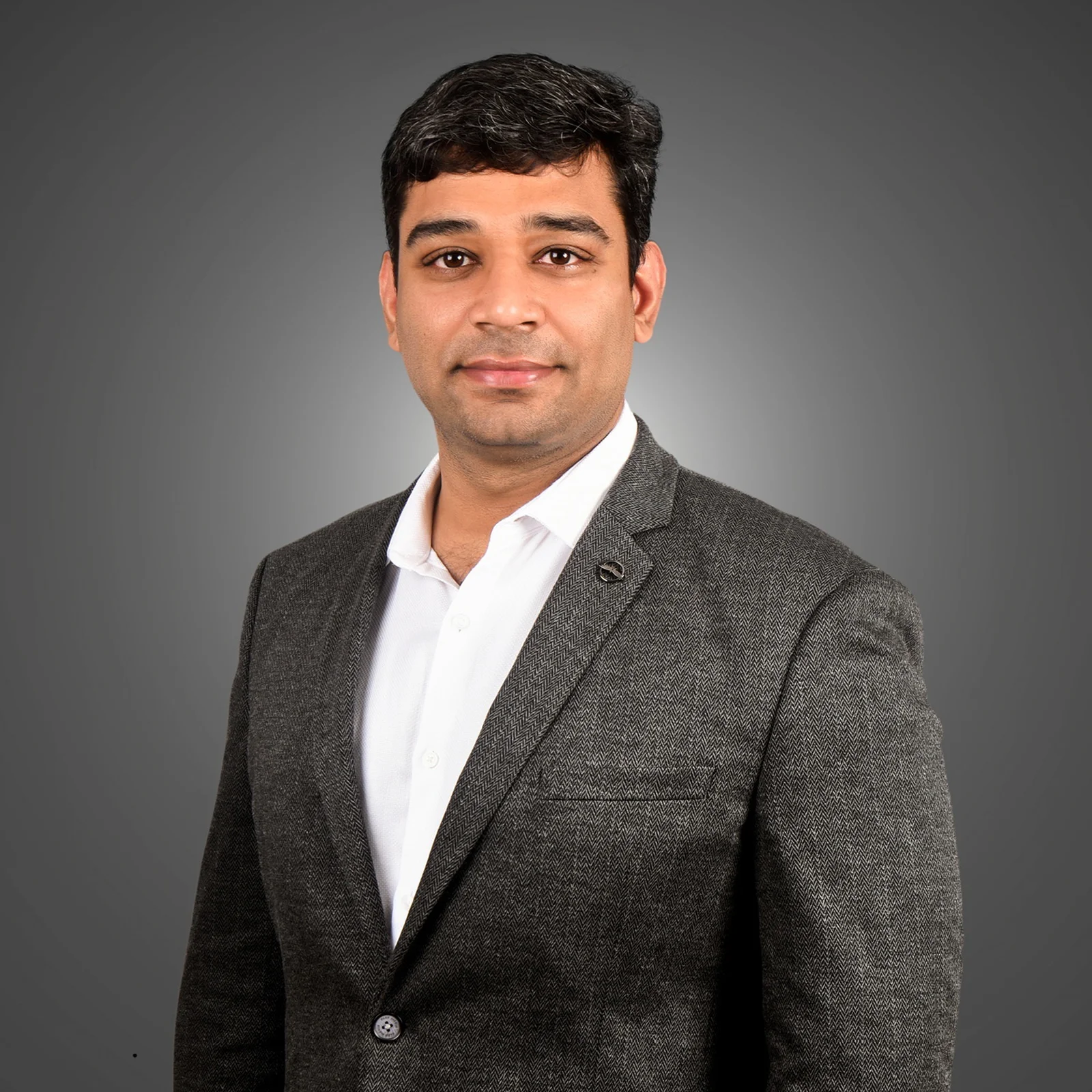
- Dr. Monish V is a Vascular Interventional Radiologist with over a decade of experience in minimally invasive, image-guided treatment, according to his website.
- He practises at Manipal Hospital Yelahanka, Bengaluru.
- He has published in national and international journals and presented at interventional radiology conferences.
- His approach is to explain options clearly, choose the safest effective treatment and recommend surgery only when truly necessary.
- Second-opinion visits are welcome if you have been advised surgery.
Frequently Asked Questions
What is the best treatment for varicose veins?
There is no single best treatment for everyone. Guidelines favour closing the leaking vein with heat (laser or radiofrequency) first, with glue, foam sclerotherapy or surgery used when they suit your veins better. A duplex scan guides the choice.
Can varicose veins be treated without surgery?
In many people, yes. Laser ablation, radiofrequency ablation, glue closure and foam sclerotherapy close the faulty vein through a needle or thin catheter, without surgical cuts. Open surgery is generally kept for veins that cannot be treated these ways.
How much does varicose veins treatment cost in Bangalore?
The cost depends on the technique, how many veins or legs are treated, hospital charges, tests, anaesthesia and follow-up, so a fair figure is only possible after a duplex scan. Ask for a written estimate and check your insurance policy before treatment.
Is laser treatment for varicose veins painful?
It is usually done with local anaesthesia, so most people feel pressure rather than sharp pain during the procedure. Afterwards, soreness, bruising or a tight, pulling feeling along the vein is common, and your doctor can advise on pain relief.
How long is the recovery after varicose veins treatment?
Many people walk the same day and return to routine activities, including office work, within a day or a few days. Bruising and tightness can last longer. Heavy lifting, intense exercise and long standing are usually paused until your doctor clears you.
Can varicose veins come back after treatment?
Yes. Treating a leaking vein does not stop new ones from developing, especially if risk factors such as family history remain. Follow-up scans allow new veins to be reviewed and treated early.
Do varicose veins go away on their own?
No. Varicose veins do not normally disappear without treatment, although symptoms may ease with walking, leg elevation and compression stockings. Veins that appear in pregnancy may improve after delivery, but veins that stay symptomatic should be assessed.
When should I see a doctor for varicose veins?
See a doctor if your veins ache or swell, if you notice skin darkening, eczema or a sore near the ankle, or if a vein becomes hard, red and tender. Seek emergency care for sudden one-leg swelling with chest pain or breathlessness.
Which doctor should I see for varicose veins treatment in Bangalore?
A vascular surgeon or a vascular interventional radiologist can assess and treat varicose veins. Choose a doctor who performs a duplex ultrasound first, explains all options and risks, and does not promise guaranteed results.
Does insurance cover varicose veins treatment?
Coverage depends on your policy and on whether the treatment is judged medically necessary rather than cosmetic. Ask the hospital’s insurance desk and your insurer about pre-authorisation before the procedure.
Book a Varicose Veins Treatment Consultation in Bangalore
If you are weighing varicose veins treatment in Bangalore, or want a second opinion before agreeing to surgery, Dr. Monish V can review your symptoms and scan reports and explain which options, if any, suit you.
- Phone:
- +91 9916171616
- Email:
- drmonishirad@gmail.com
- Address:
- Manipal Hospital, Sy 23/3, hobli, Venkatala Village, Maruthi Nagar, Yelahanka, Bengaluru, Karnataka 560064 (view on Google Maps)
Appointment request form:
Prefer not to fill a form? Call +91 9916171616 or use the WhatsApp button above.
Medical disclaimer: This page is for general information and does not replace medical advice. Suitability, risks and results differ from person to person, and treatment is recommended only after examination and a scan. Seek emergency care for sudden leg swelling with chest pain or breathlessness.
REFERENCES
- De Maeseneer MG, Kakkos SK, Aherne T, et al. Editor’s Choice: ESVS 2022 clinical practice guidelines on the management of chronic venous disease of the lower limbs. Eur J Vasc Endovasc Surg. 2022;63(2):184–267.
- National Institute for Health and Care Excellence. Varicose veins: diagnosis and management (CG168). 2013. https://www.nice.org.uk/guidance/cg168
- Gohel MS, Heatley F, Liu X, et al. A randomized trial of early endovenous ablation in venous ulceration (EVRA). N Engl J Med. 2018;378:2105–2114. doi:10.1056/NEJMoa1801214
- Gloviczki P, Lawrence PF, Wasan SM, et al. The 2022 SVS, AVF and AVLS clinical practice guidelines for the management of varicose veins of the lower extremities. Part I.
- Endovenous laser ablation-induced complications: review of the literature and new cases. Dermatol Surg. 2009;35(8):1206–1214. doi:10.1111/j.1524-4725.2009.01215.x
- Ozsvath K. Cyanoacrylate ablation for chronic venous disease: a review and future applications. Phlebolymphology.
- Cyanoacrylate embolization versus endovenous laser ablation in treating saphenous vein insufficiency: a systematic review and meta-analysis. PubMed ID 34780939.
- Academy of Medical Royal Colleges, Evidence-Based Interventions: varicose vein interventions (patient information on alternatives and return to activity). https://ebi.aomrc.org.uk/interventions/varicose-vein-interventions/
- National Medical Commission (India). Guidelines on Ethical Advertising and Public Communication; Indian Medical Council (Professional Conduct, Etiquette and Ethics) Regulations, 2002.